


 en
en
 UZ
UZ  RU
RU The Great Fergana Canal: the evolution of water control
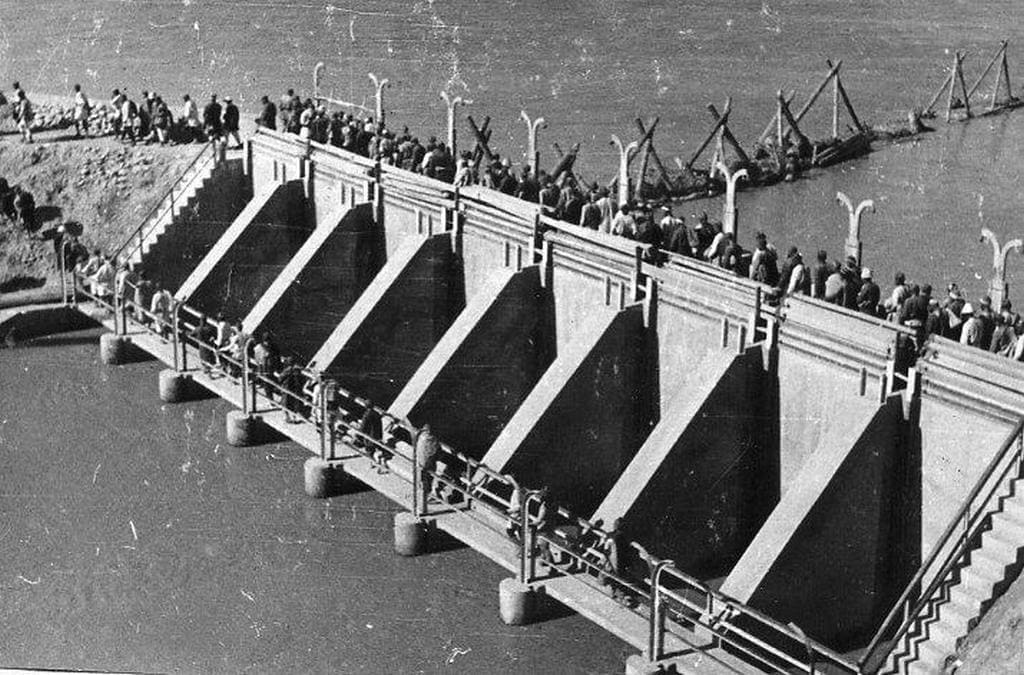
The story of the Great Fergana Canal is the story of how humankind tamed the elements. And at every step of that path, automation walked beside us: it was born and grew together with the canal — from the first machines to today's intelligent control.
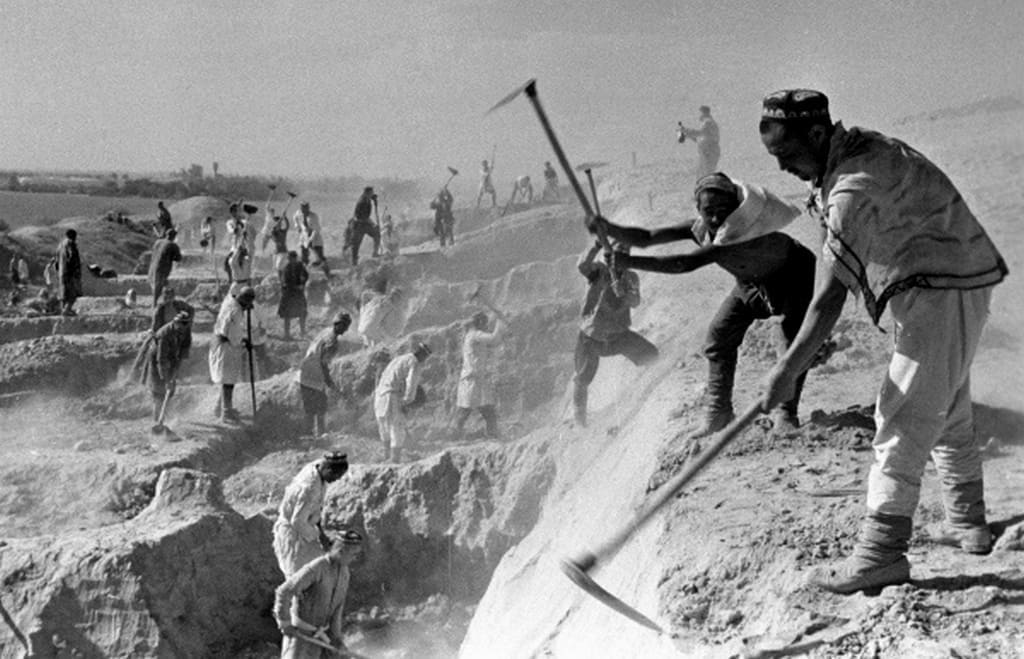
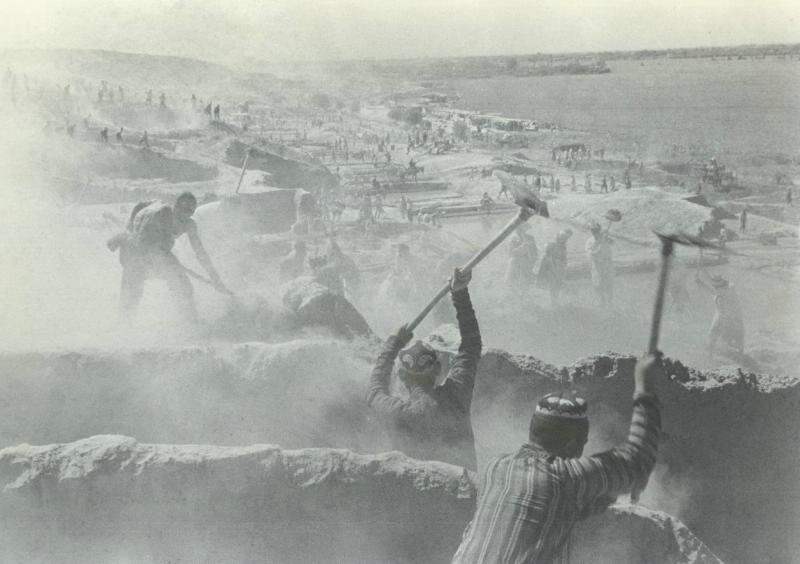
On 1 August 1939, around 160,000 collective farmers set out for the hashar. In 45 days they moved 18 million m³ of earth and made the river flow where people decided it should.
Yet even here, the elements were tamed by more than hands alone.
The first machinery was already at work alongside them — 14 excavators, 245 tractors, 420 vehicles — while gates and mechanisms at the canal's key nodes set the direction of the water.
Automation had taken its first step.
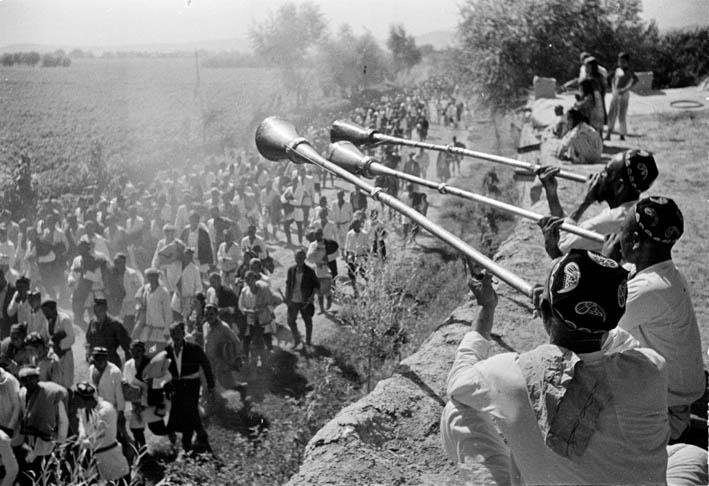
Celebration of the opening of the Great Fergana Canal
Photos from the museum dedicated to the construction of the Great Fergana Canal: the first control panels of the 1930s, 1970s and 1980s.
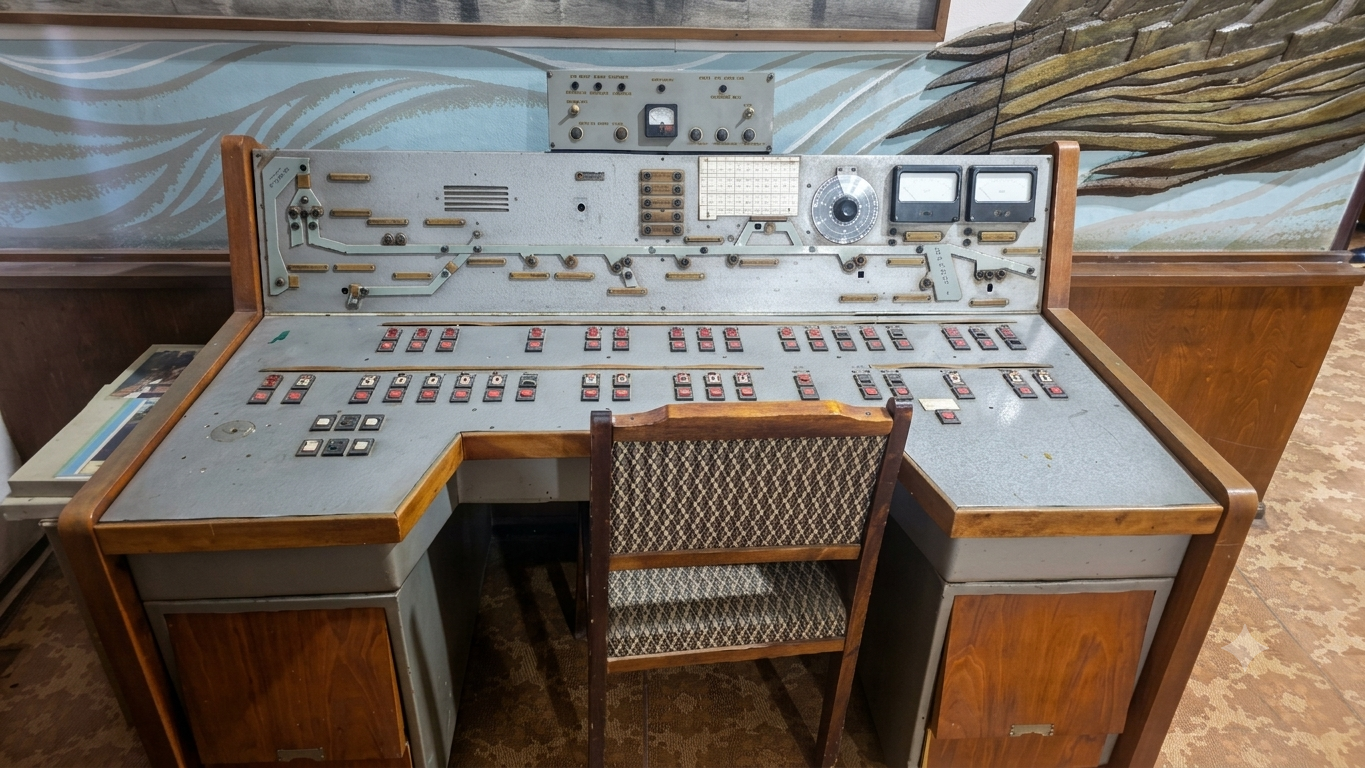
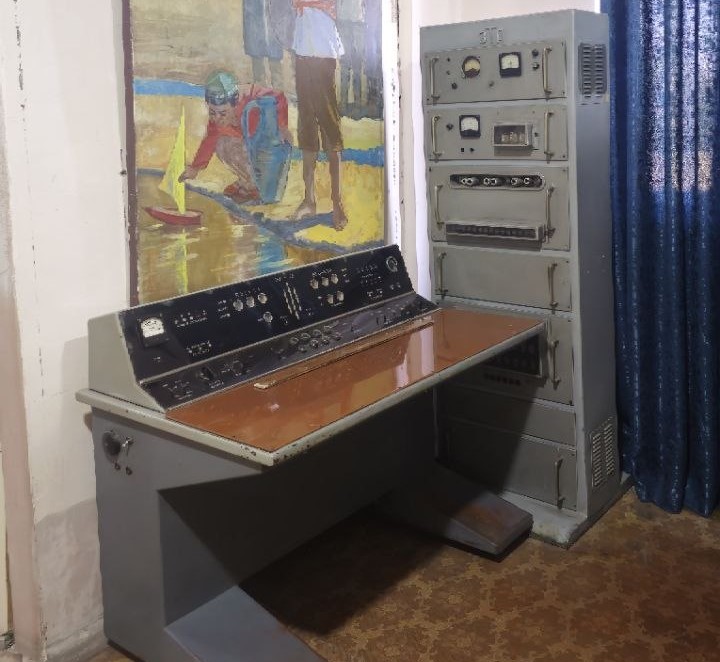
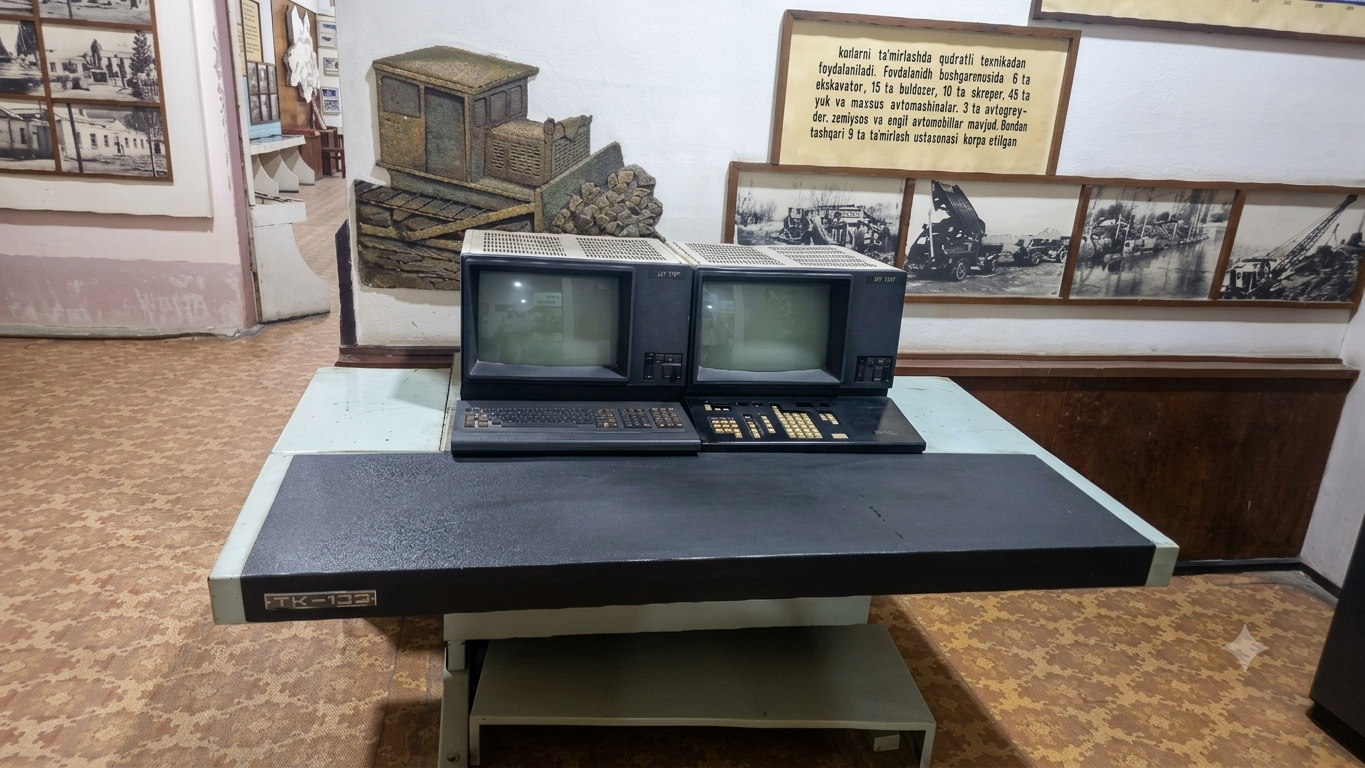
Gate electric drives and gauging stations — equipment helped people from the very beginning.
Later came electronic level and flow sensors and the first dispatch centers, where the canal was "seen" on instruments for the first time.
Each generation of technology gave people more control over the elements. Automation did not replace them — it amplified their capabilities.
Now the entire canal lives within a single control system. An operator sees the whole route on one screen, and the system itself flags any deviations. This is the summit of a century-long journey: people control the elements precisely, transparently and instantly.
This is precisely the technological frontier where SIGMA PRO works. With more than 25 years of experience in industrial automation, the company designs and implements systems that turn hydraulic structures into a manageable, observable and predictable infrastructure.
Water sector automation is one of SIGMA PRO's core areas, alongside ICS, environmental monitoring and dispatch systems.
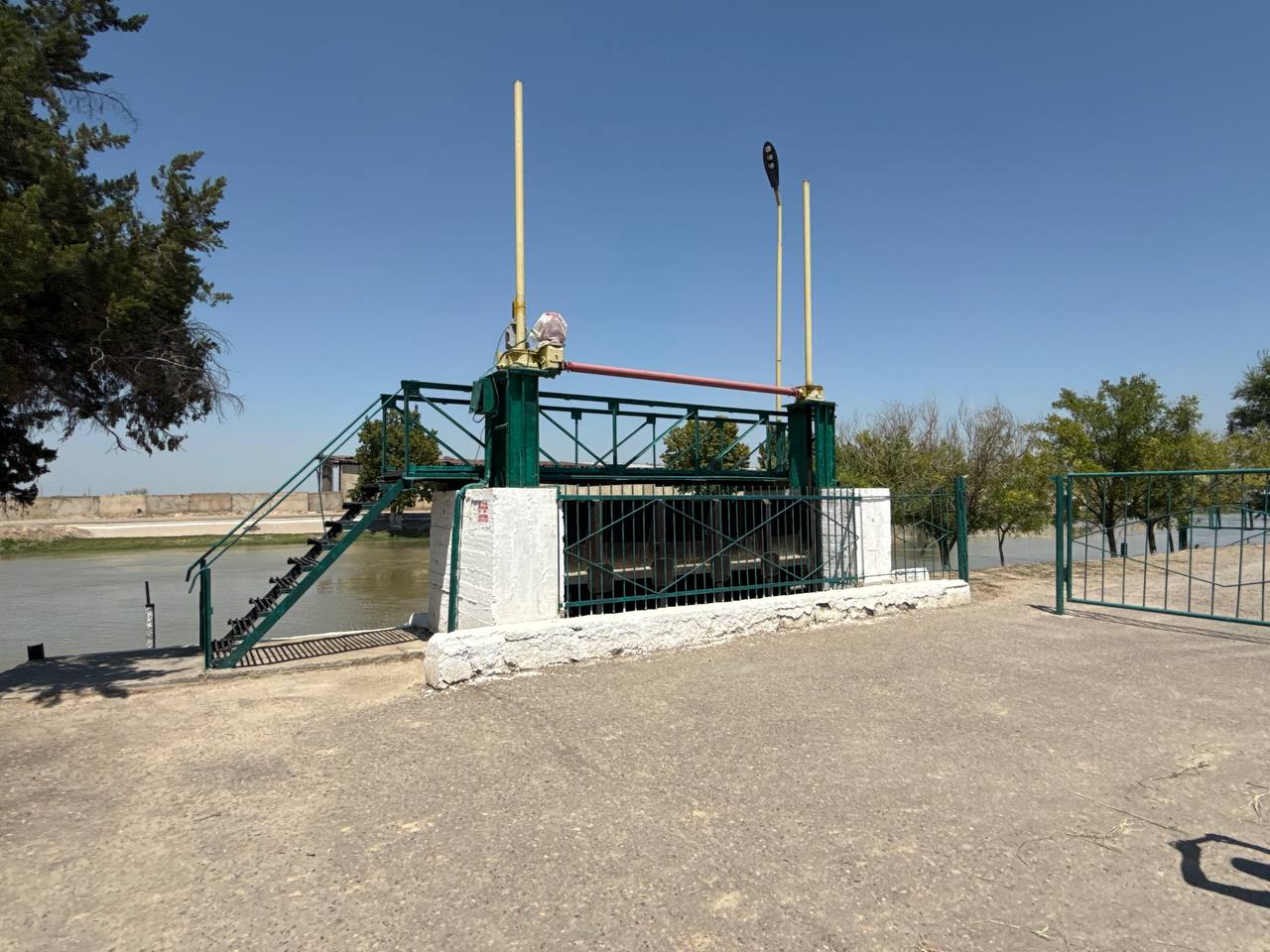
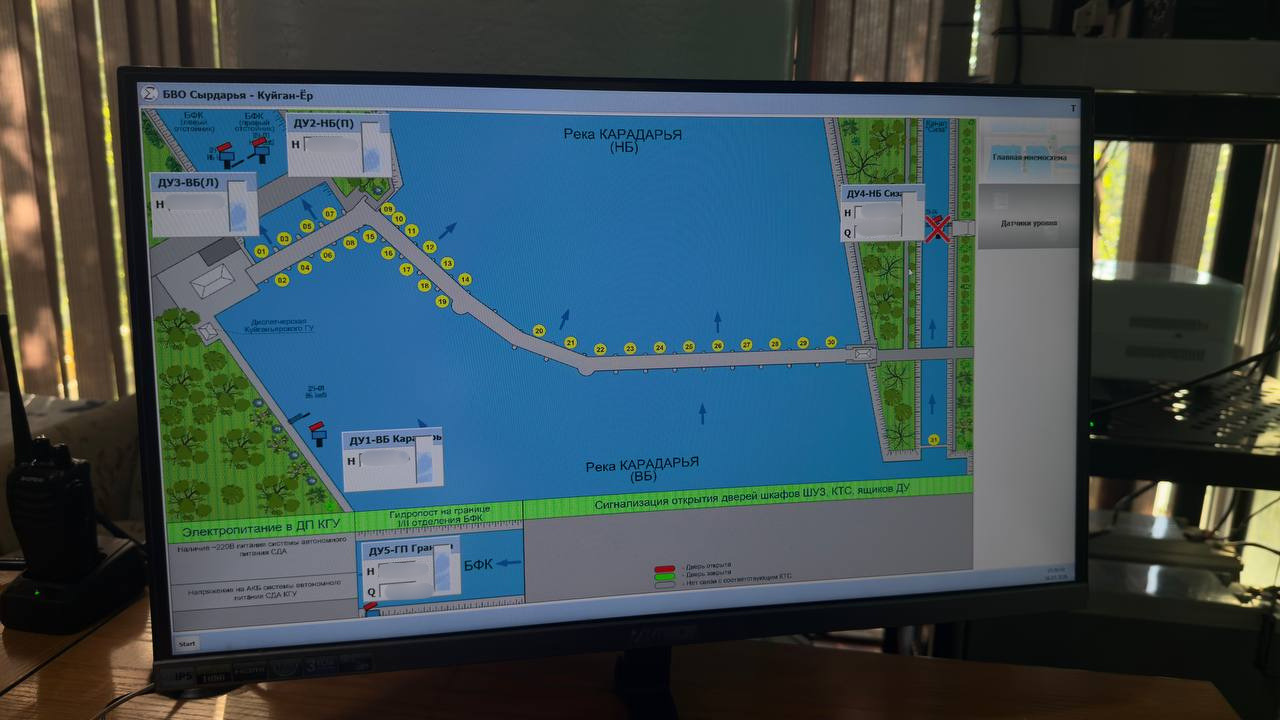
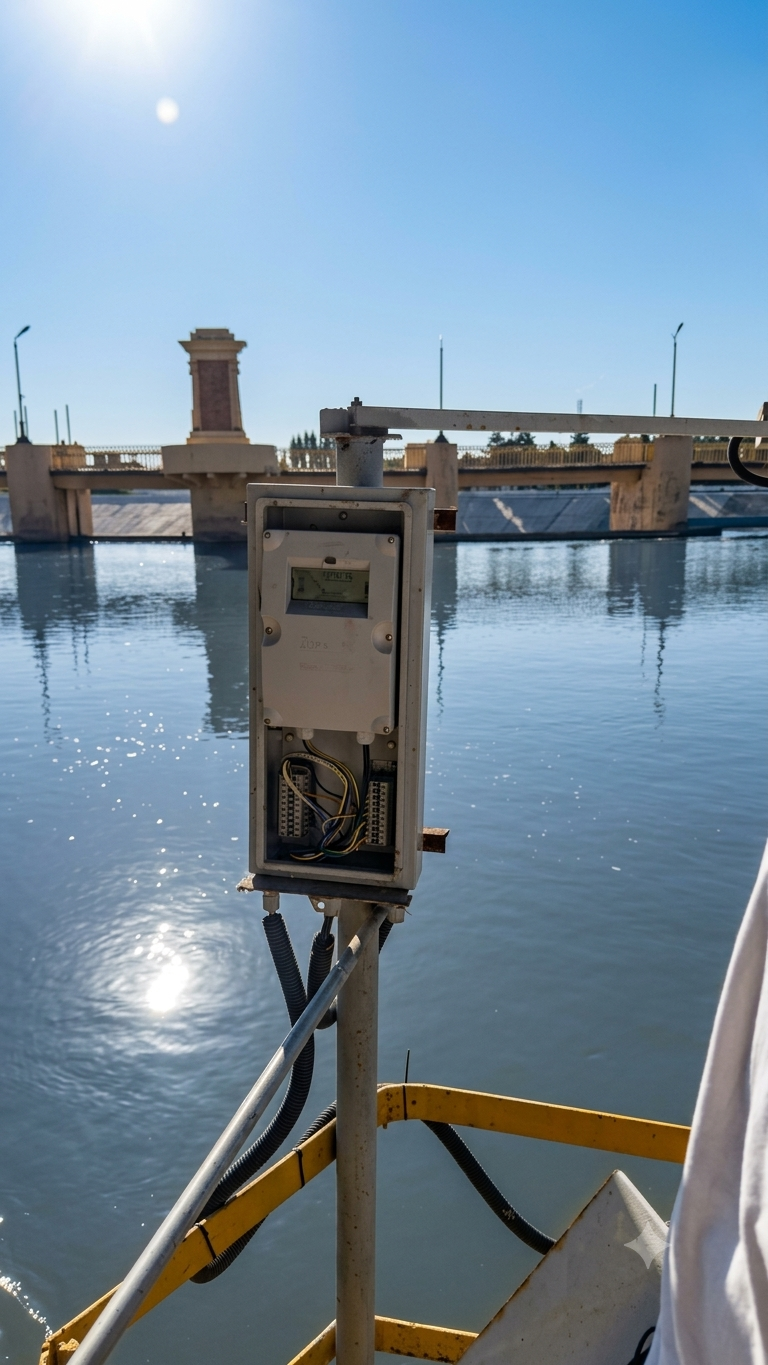
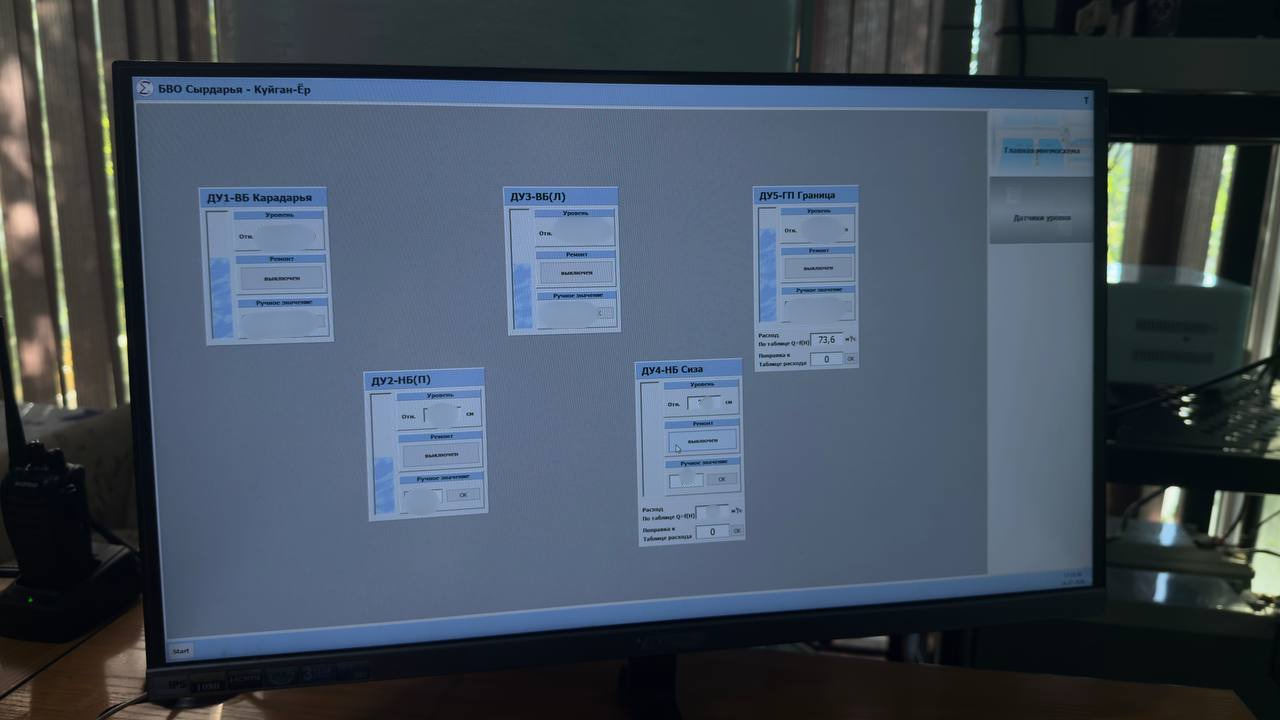
D&A system at structure PK-460 on the Doʻstlik canal
- Water telemetry and metering
- Unified control and dispatch system
- ICS for gates and pumping stations
- Full cycle from design to commissioning.
The result of such automation is not an abstract "progress," but measurable value: reduced non-productive water losses, precise and transparent water distribution among users, rapid response to emergencies, and data on which management decisions can be based.
For a country where water is a strategic resource, this is a matter of food and economic resilience.
The tools change, but the task stays the same: to bring water to where it is awaited.